Rebrand or refresh? How to tell which one you need
Written by David • September 11, 2026
“We need a rebrand” is one of the most common things I hear at the start of a project. Sometimes it’s true. Often, what the business actually needs is smaller, quicker and cheaper.
Knowing the difference can save a lot of time, money and internal debate.
The difference
A refresh evolves what you already have. The logo might be tidied up, the typography and colours updated, and the guidelines rewritten so the brand is used more consistently. People still recognise you. You just look sharper.
A rebrand starts from a more fundamental place. It can involve rethinking your positioning, your audience, your tone of voice, your visual identity and sometimes your name. It’s a bigger piece of work, and it should be.
Signs a refresh is enough
- People know you and have a good impression of you.
- The brand looks a bit dated, but the core of it still fits.
- The main problem is inconsistency. Different fonts, colours and logo versions in different places.
- Your team struggles to use the brand, rather than the brand itself being wrong.
In these cases, throwing everything away can cost you recognition you’ve spent years building.
Signs you need a rebrand
- The business has changed. New services, a merger, a new audience or a different direction.
- Your brand gives people the wrong idea about who you are or what you do.
- Your name causes problems, whether that’s confusion with a competitor or something that no longer makes sense.
- You’re moving into a new market where your current brand won’t compete.
The wrong reasons
Some reasons come up often but don’t justify a rebrand on their own:
- You’re bored of it. You see your brand far more often than your customers do. What feels tired to you may still feel fresh to them.
- Someone new wants to make their mark. A new director or marketing lead can bring useful perspective, but a rebrand shouldn’t be a personal project.
- It’s covering a different problem. A new logo won’t fix a weak product, poor service or unclear pricing.
Consistency is often the real issue
A lot of brands that “don’t work” have never been applied properly. Logos saved in the wrong format, templates nobody can find, a website built before the guidelines existed.
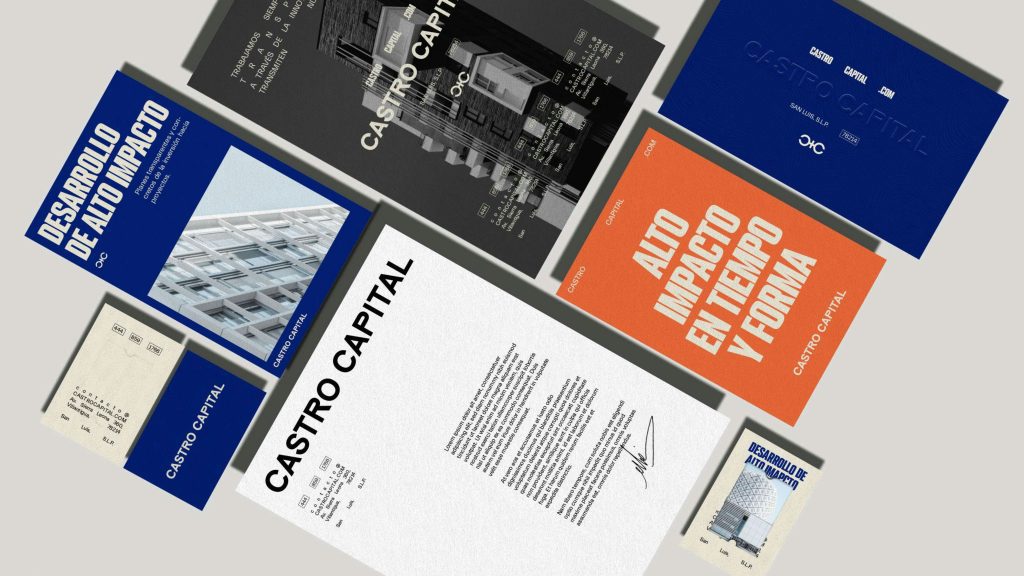
A proper brand toolkit, with clear guidelines, usable templates and organised assets, often does more for how a business is perceived than a new logo would.
How to decide
Start with an honest look at where things stand. What do customers think of you? Where is the brand used, and how well? What’s working and worth keeping? What’s getting in the way?
That review usually makes the answer clear. And if it points to a refresh, you’ll have saved yourself the cost and disruption of a full rebrand.