What is place branding, and why does it matter?
Written by David • September 12, 2026
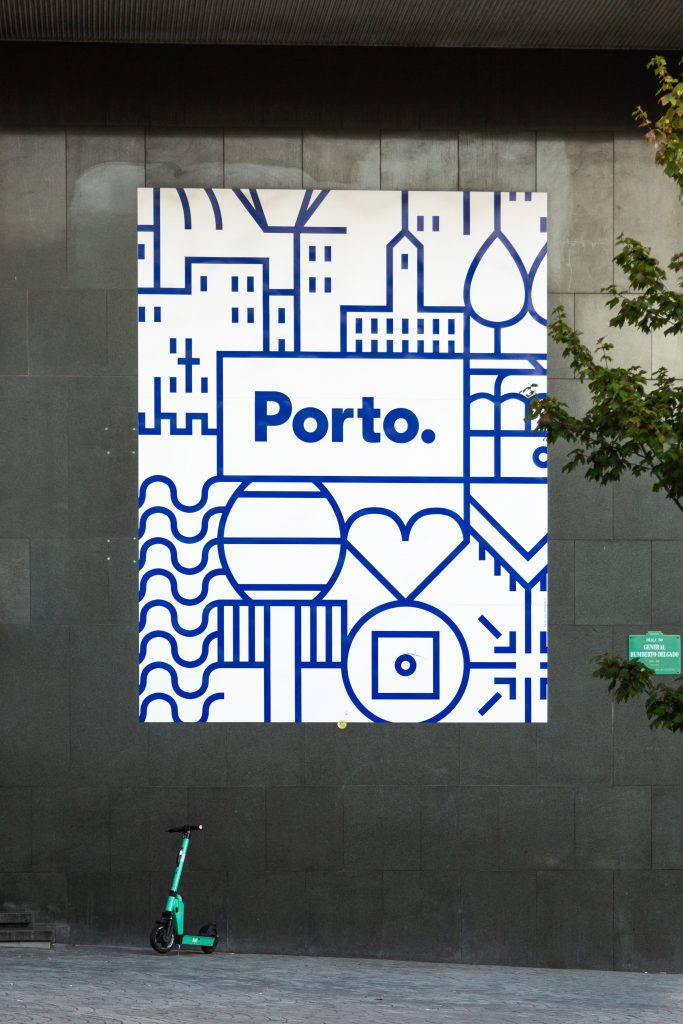
Every so often a council or destination organisation announces a new logo for their area, and the local paper runs a story about how much it cost. The comments write themselves.
That reaction is usually fair, because what’s been shown is a logo rather than a place brand. The two aren’t the same thing.
What place branding actually is
Place branding is the work of defining what a town, city, region or destination stands for, who it’s talking to and how it presents itself, so that everyone representing it does so consistently.
The visual identity is the visible part. Underneath it sits a set of decisions: what makes this place distinctive, which audiences matter most, what we want people to do, and what we’re going to stop saying because it’s true of everywhere.
Who it’s for
A place brand usually has to work for several audiences at once:
- Visitors, deciding where to spend a weekend or a holiday.
- Residents, who need to recognise their own place in it.
- Investors and businesses, weighing up where to locate or expand.
- Students and workers, considering a move.
- Partners, including attractions, operators, universities and neighbouring authorities who’ll use the brand in their own materials.
Trying to say one thing to all of them produces the vagueness that place branding is known for. “A great place to live, work and visit” is not a position. It’s a sentence every place in the country could use.
Why so many attempts fail
It’s designed for the committee, not the audience. When every partner gets a say and nothing can be excluded, you end up with something inoffensive and forgettable.
It claims things that aren’t true. Residents spot this instantly, and their scepticism spreads further than any campaign.
Nobody can use it. A brand delivered as a PDF and a logo file, with no templates, no photography and no support, quietly dies. Partners default to what they had before.
There’s no money to run it. A launch is not a brand. Without ongoing content, campaigns and someone owning it, the work fades within a year.
What makes one work
An honest and specific position. The strongest place brands lean into something genuinely distinctive, even when it’s not universally flattering. Specific beats safe.
Real involvement, not just consultation. Residents, businesses and partners should recognise their own contribution in the result. That’s what turns a brand from something imposed into something adopted.
A flexible system. A place brand has to sit alongside partner brands, not replace them. That means a system with room to flex across a museum, a festival, a business park and a coastal path, while still reading as one place.
Assets people will actually use. Templates, a photography library, social formats, signage guidance and editable files. Make the right thing the easy thing.
A named owner. Someone whose job includes keeping the brand alive after launch.
How to judge whether it’s working
Not by whether people liked the logo. Better questions:
- Are partners using it voluntarily, without being chased?
- Do residents use the language of the brand when describing their own place?
- Is the story you wanted to tell showing up in press coverage?
- Are visitor numbers, enquiries or investment moving in the right direction?
Those take longer to answer than a design review, but they’re the ones that matter.
If you’re considering it
The most useful first step is usually an honest audit of where you are: what’s already being said about the place, what materials exist, who’s using what, and where the gaps are. That tends to reveal whether you need a new brand or better use of the one you have.